


-
Conceptualisation
Conceptualisation
The lifecycle begins when an unmet need is identified through effective market research. Innovators must assess feasibility of their concept, with a focus on regulatory compliance, and address early-stage intellectual property considerations by documenting ideas and maintaining confidentiality. If collaborating, they will need to formalise arrangements with partners. These steps lay the groundwork for a successful innovation journey.
-
Creating
Creating
To move a concept forward, early development should include design and prototyping aligned with relevant regulations. This stage also involves drafting provisional patent or design rights applications and conducting preliminary regulatory assessments. Taking these steps ensures a strong foundation for future compliance and market entry.
-
Planning
Planning
Developing a medical device requires careful planning across legal, regulatory and operational areas. It is important to negotiate and enter into effective funding structures to ensure ongoing project sustainability. Product classification and risk management strategies will need to align with regulatory standards. Data privacy should be built in from the start. Addressing these areas early is vital for long-term success.
-
Developing
Developing
Any outsourcing of development requires strong commercial agreements and intellectual property protections, while supply chain contracts will be needed to secure medical-grade components and compliance. Project documentation management and design controls must meet regulatory standards. Product liability assessments and insurance are essential to manage risk.
-
Pre-clinical testing
Pre-clinical testing
Pre-clinical testing for medical devices must follow strict safety and performance regulations. Regulatory submissions will require detailed documentation to secure approvals and all reporting of results must meet established standards.
-
Clinical testing & trials
Clinical testing & trials
Designing clinical trials for medical devices involves strict adherence to ethical protocols. Regulatory submissions must include comprehensive documentation, particularly around informed consent. Contracts with trial sites and investigators should be in place, while data collection must comply with all relevant laws. Monitoring and reporting of adverse trial events is crucial to ensure the future viability of the project.
-
Pre-market approval
Pre-market approval
Finalising a medical device for market involves several critical regulatory steps. Technical documentation must be compiled for submissions to regulatory bodies. Navigating inspections and audits demands thorough preparation. Labelling, packaging and instructions for use must consider branding issues as well as ensuring full compliance with regulatory standards.
-
Commercialising
Commercialising
Successfully launching a medical device requires a proper and orderly approach to market entry. This includes negotiating agreements with agents, distributors and consultants to manage risk, securing final regulatory approvals and ensuring marketing strategies meet regulatory standards. Protecting intellectual property and enforcing rights is vital to safeguard innovation.
-
Using & maintaining
Using & maintaining
Supporting the effective use of a medical device extends well beyond launch. User training and support programmes must be designed to maintain efficacy and limit future liability risk. Transparent communication with regulators is required for any post-market modifications. Data protection and cybersecurity measures must be in place to safeguard device usage, while effective maintenance schedules and service agreements ensure ongoing reliability.
-
Post-market surveillance & studying
Post-market surveillance & studying
Maintaining post-launch effectiveness requires ongoing diligence. This includes continuous performance monitoring and meeting mandatory reporting obligations, as well as conducting post-market clinical follow-up studies. Utilising AI and data analytics to evaluate device outcomes can enhance monitoring efforts, but data protection risks must be considered. Manufacturers must continue to manage relationships with healthcare providers and institutions through clear legal agreements.
-
Recalling & withdrawing
Recalling & withdrawing
Managing the end-of-life phase of a medical device requires careful oversight. Product recalls and withdrawals must comply with strict regulatory procedures and environmental standards. Contractual liabilities with commercial partners and users need to be clearly defined – with an acknowledgment that data protection obligations continue even after withdrawal.
-
End-of-life management
End-of-life management
Closing out a medical device lifecycle requires careful attention to final legal and regulatory responsibilities. This includes completing audits, decommissioning related systems and archiving documentation to meet compliance and protect intellectual property. Evaluating lessons learned and applying them to future projects helps ensure continuous improvement.
MedTech, BioTech & Digital Health
At the intersection of MedTech, biotech and digital health – where innovation and AI meet regulation – MFMac is the legal force behind transformative healthcare solutions. We help clients navigate complexity, protect IP and scale with confidence across the UK and beyond.

Navigating risk, enabling progress
MFMac provides strategic legal guidance to healthcare and life sciences organisations operating in a complex and fast-evolving regulatory landscape. Our cross-disciplinary team supports clients from early-stage research through to commercialisation, helping them manage risk, ensure compliance and scale with confidence.
We advise on compliance and regulatory matters, quality assurance and data governance in both digital health and AI and data-driven innovation, and we will assist you in both protecting and maximising your IP and commercial interests when negotiating R&D agreements, clinical trial sponsorships, collaborations and cross-disciplinary partnerships, MTAs and CDAs.
Our expertise also covers clinical trial agreements, pre- and post-study arrangements, commercial contracts – such as licensing, OEM Supply, distribution, consultancy, supply and manufacturing – and CRO arrangements.

From compliance to commercialisation: Legal support that scales
Partnership across the medical device lifecycle
Our medical device timeline outlines the critical milestones necessary to bring a device to market. From initial concept and rigorous testing to regulatory approvals and successful market launch, each step is meticulously planned and executed to ensure the highest standards of safety, efficacy and innovation. This timeline reflects our unwavering commitment to advancing healthcare and delivering cutting-edge medical solutions to improve patient outcomes.
Latest Healthcare & Life Sciences Insights

MFMac advises on acquisition of Pilrig Dental Practice
MFMac advised Pilrig Dental Practice Ltd on the acquisition of Pilrig Dental Practice, providing legal support across corporate, real estate, employment and pensions matters. The transaction completed successfully on 28 August 2026, enabling the client to acquire a well-established dental practice and support its continued growth.

Collaboration Agreements in Life Sciences: Key Issues to Get Right
This article highlights the key legal and commercial issues life sciences organisations should address when entering collaboration agreements, including IP, data sharing, regulatory compliance, funding, liability and termination. Getting these fundamentals right helps partners work together effectively and maximise the chances of successful innovation and commercialisation.

Glasgow Tech Week 2026: Wearables and real-time monitoring – who owns the risk?
Using wearable health technology as a practical case study, MFMac's Glasgow Tech Week event on Innovation, Regulation and Real Time Health Monitoring will examine how data protection, cyber security and product liability risks shape innovation across the product lifecycle.

Digital health platforms: controllers vs processors - designing roles that work in practice
Digital health platforms can involve organisations acting as both controllers and processors depending on how personal data is used. The article highlights the importance of accurately defining these roles, particularly for AI and analytics, to ensure compliance, transparency, and reduced regulatory risk.
Our medtech, biotech & digital health legal experts
Delivering strategy and results for life sciences leaders, MFMac advises across regulation, IP, funding and growth with precision and purpose.
-
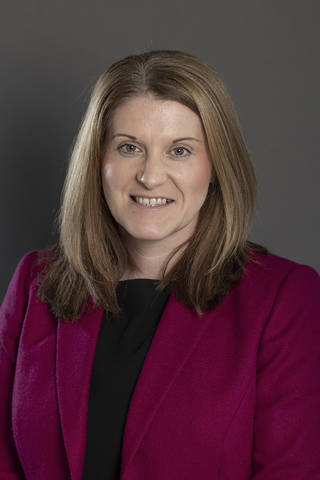
Lauren E Hart
PartnerLauren E Hart is a Partner in MFMac’s Banking and Finance team, with a strong focus on advising international healthcare and life sciences companies on complex, large‑scale financing transactions. Lauren is also regularly instructed by mainstream lenders on care home and acquisition finance transactions within the sector.
-

Stewart Moy
Legal DirectorStewart supports biotech and health tech innovators with corporate structuring and investment readiness.
-

David Gourlay
PartnerDavid specialises in supporting high-growth biotech and digital health ventures with legal and commercial insight.
-
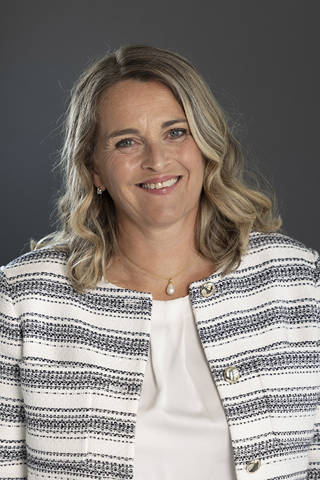
Lindsey Cartwright
PartnerLindsey advises medtech and life sciences clients on dispute resolution and regulatory risk management.
-

Melissa Hall
Legal DirectorMel provides strategic legal advice to med tech and biotech companies on contracts and partnerships.


